Interview with Boudewijn Feith of Rituals
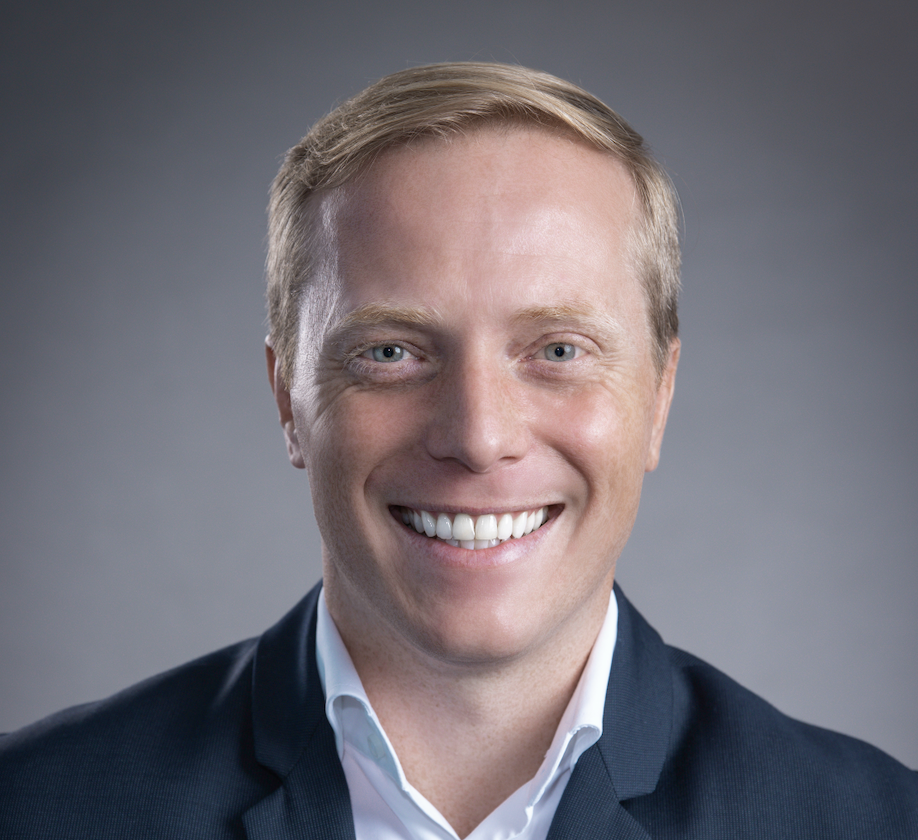
Could you introduce yourself and tell us about your journey from the Netherlands to Asia?
My name is Boudewijn—‘Bou’ is what most people call me here. I have been the Managing Director of Rituals in Greater China for one year now. For me Asia is a bit of a second home. I was born in Taiwan and lived in Hong Kong in the eighties. After finishing university in the Netherlands, I worked at Procter & Gamble for almost 10 years. My last role was in Geneva, but Asia was always on the radar—both for personal reasons and for the adventure and entrepreneurship here.
I moved to Hong Kong in 2015 for Esprit and later spent six years at Reckitt. Last January, I joined Rituals to lead their Greater China business. Rituals is a Dutch company founded in Amsterdam 25 years ago and currently the number one beauty brand in Europe, but still small in the rest of the world. Asia is a very big growth pillar for us. I now lead the business for China, Hong Kong, Taiwan, and Macau. We moved the whole family to Shanghai in summer. The first year is done, and it’s an exciting and ambitious journey.
As Rituals commences its major expansion into Asia, what is the core mission of your role in Greater China?
Rituals is a household name in Europe, but here in Asia, we are building the brand from the ground up. My responsibility is to launch it, build it, and drive very fast growth across Greater China. The company is giving us a lot of freedom to operate locally, so in many ways, it feels like leading a startup. We have a full, local team here covering everything from supply chain and regulatory to marketing, sales, and digital. We’re running the business end-to-end. The goal is to take the essence of what makes Rituals so successful in Europe and figuring out how to scale and adapt it perfectly for the Greater China market.
How would you describe Rituals’ market positioning in China? How do you differentiate from competitors?
Our core idea is about finding little moments of happiness. We position ourselves as more affordable luxury—playful and accessible. You don't only come to Rituals to make yourself happy, but also to make someone else happy. That makes us a very big gifting company. Because of that, we don’t just compete with beauty brands; we also compete with many more categories, varying from chocolate, tea, to flower brands. It’s about that small, thoughtful gesture. In our stores, the guest experience is central; we want people to feel welcomed and able to discover our fragrances and textures in a relaxing and uplifting environment.
A unique angle for us here is that Rituals was founded as an Asian-inspired brand. We have scents like The Ritual of Sakura or The Ritual of Jing. So, it’s interesting: we are a European brand bringing that inspiration back to Asia. And we are more affordable than many of our premium competitors—about 30-40% more accessible—which is a key part of our appeal.
Given that positioning, what are the biggest challenges and opportunities you are seeing in the market today?
The primary challenge is awareness. In Europe, a lot of people automatically come to Rituals. In China, not many people know us yet. We are new. So, we are essentially facing the same challenges Rituals had at the very beginning in Europe 25 years ago. We’re launching the brand for the first time, but in a much more complex market.
The competition is intense—from big international groups to fast, aggressive local brands who play strongly on local culture and pride. On top of that, the economic climate in both Hong Kong and Mainland China is still suppressed, with low consumer confidence and high savings. You really must convince people of your product's value
However, I see this as a significant opportunity. It’s almost like the stock market—you look for value when sentiment is low. The market is starting to stabilize. For a new, well-funded brand with a long-term view, this is a good time to enter. We can secure premium store locations and rental deals that were previously unavailable and attract excellent local talent. We’re laying the foundation now for exponential growth when confidence returns.
In terms of sustainability, do you implement any strategies locally? Do you see a real demand for this in the Chinese market?
Sustainability is a very hot topic for us. As a company, we are B-Corp certified, which is a high standard, and we have our Profit Pledge where 10% of our profits go back into society and the planet. We also have a big initiative focusing on mental wellbeing for children. Locally, we are phasing out plastic, using more glass and aluminum and focusing heavily on refills. Our stores are built with sustainable, reusable materials.
In China, sustainability is still slightly lower in priority for consumers compared to Europe. There’s often a gap between what people say and what they do. But it’s becoming more important. Even if it’s not the biggest choice-maker today, we are confident it will be in the coming years. So, it’s better to have it properly in our DNA now and communicate what we’re doing.
One other related area is animal cruelty. We are one of the very few beauty or gifting brands that do not test on animals. I feel we can be more vocal about that, to say, ‘If you want to do good, shop with us.’
What do you see as the next chapter for Rituals in Greater China? What are you focused on?
I see three key pillars. First, our stores openings in all important cities—these are our primary marketing tool and the best place to deliver our full consumer experience.
Second, digital and e-commerce. China is more digital than anywhere. Moving to Shanghai, I saw how innovative it is—barely any supermarkets, everything gets delivered, everyone and everything is connected through the super apps. For a brand, this innovation defines the commercial landscape. Success depends on meeting the consumer where they are, which is why you need a presence on all key channels such as Tmall, JD, WeChat, Douyin and RED.
Third, connecting it all through CRM and an omnichannel strategy. We need to know our consumer. If someone shops in-store but repeats online, we want to track that to make better decisions.
We also need to be more relevant locally—adapting to key festivals like Chinese New Year, Singles’ Day, and giving collections like Sakura a bigger ‘top spin’ here than in Europe.
For other members of the Dutch Chamber, do you have any advice for aspiring leaders or entrepreneurs? Any personal “rituals” that help you work well?
One big thing I’ve learned in my 12 years here is that people appreciate a more personal touch, more care, and more humor. You spend a lot of your life working, so try to make it pleasant and fun. A little attention to the person behind your colleague drives loyalty, engagement and happiness.
Also, the Dutch directness, openness, and transparency are still very much appreciated. Part of my role is to be a translator—to help explain what we need to win in China to headquarters in a way that’s well-received, and to explain headquarters’ decisions to the local team. I think that’s a vital role Dutch leaders can play in any company or business here.
Is there anything else you would like to share with the members?
All the members should come to a Rituals store to try our products! Secondly, we have attractive B2B and corporate deals. If you are looking for a premium and tailored company gift, you can always reach out to me or the team. It’s a great opportunity to share another Dutch brand with your network and connections. Founded 25 years ago in Amsterdam, and now growing fast in China, there’s a bit of national pride in there as well.