Interview with James Poon of ING
Could you please introduce yourself and your role at ING? Reflecting on your career, what has been the most rewarding part of steering a Dutch bank like ING in the complex Asia-Pacific region?
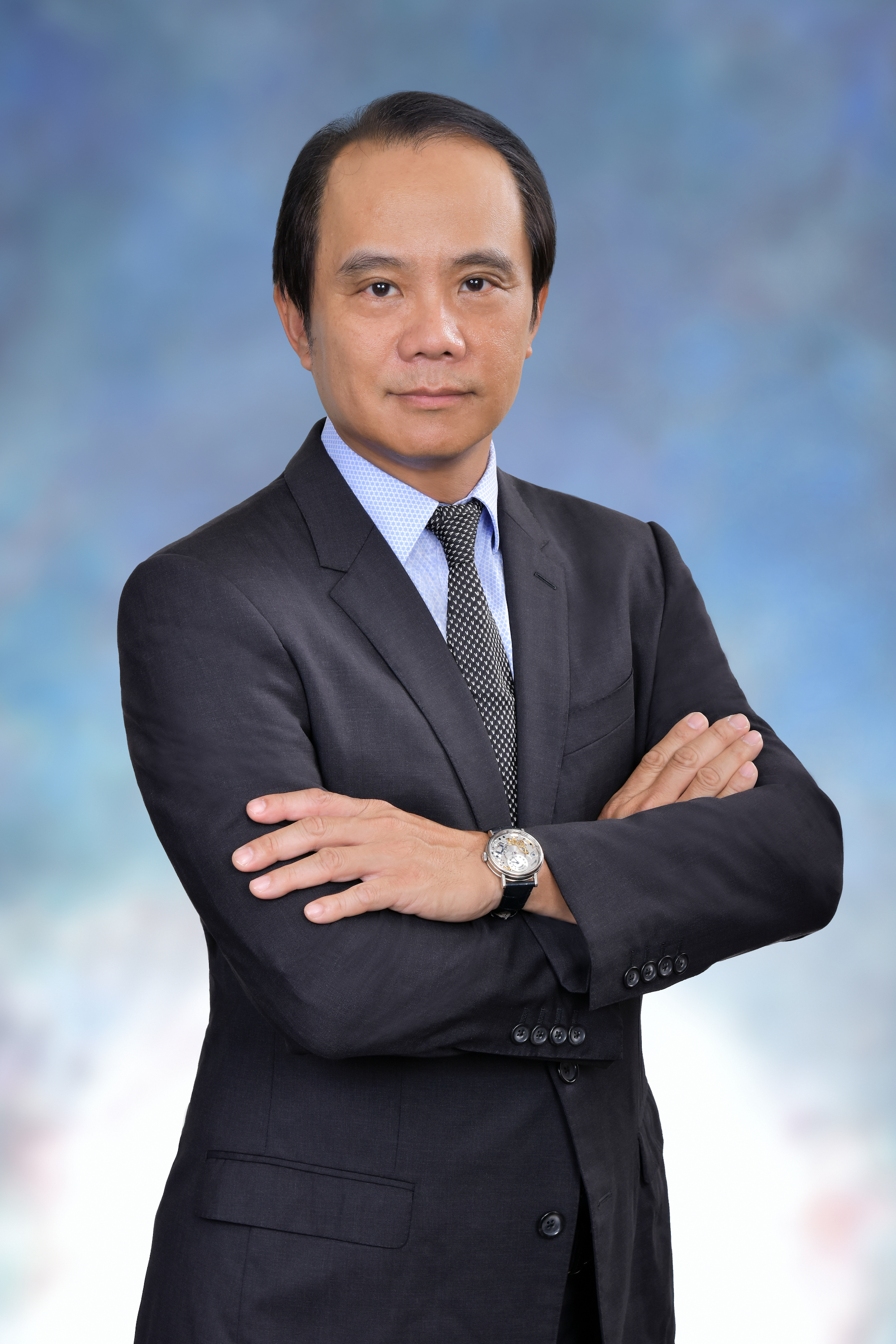
My name is James Poon, and I am the country manager for Mainland China and Hong Kong SAR at ING, overseeing the bank’s Beijing and Shanghai branches, also serving as the Chief Executive of the Hong Kong Branch. I’ve spent more than 30 years at ING, and I am currently responsible for executing strategy and driving the performance of ING’s wholesale banking business in these markets.
Over the years, I am proud to have successfully transformed this platform into one of the most profitable and strategically important markets for ING in the Asia Pacific region, supporting a portfolio of top-tier Chinese SOE/POE clients, Hong Kong blue-chip companies and multinational corporates in leveraging ING’s international network and robust product capabilities for strategic growth.
ING is celebrating 40 years in Hong Kong. Beyond the financial metrics, what would you say is the bank's most significant contribution to the business landscape here, and what does that make you most proud of?
ING’s 40-year journey in Hong Kong represents much more than just financial success. For decades, we have contributed as a trusted and enduring partner for local and Chinese businesses in driving growth, innovation, and sustainability. Our ability to remain a reliable, forward-thinking partner for our clients, even during challenging times, underscores our commitment to their success and to Hong Kong’s growth story.
One of ING proudest achievements has been our leadership in sustainable finance, inspiring a broader shift toward sustainable values and practices, and supporting our clients in their shift to a low-carbon economy by providing the necessary knowledge and financing that enable an easier transition. Driving impact through client engagement, we work closely with our clients to recognize the urgency for climate action and support them in building a sustainable business.
How is ING currently viewing the economic developments in Mainland China? What opportunities or challenges are you focusing on, and how are they shaping your strategy?
As China enters its 15th Five-Year Period in 2026, a strong start will be critical to achieving its longer-term growth objectives. We anticipate that China’s growth strategies will likely focus on bolstering domestic demand, advancing manufacturing capabilities, and staying competitive in the global tech race. Over the next five years, China’s efforts will be concentrated on industrial modernization and technological innovation, enabling it to move further up the value-added ladder. A significant technological breakthrough that sparks a new wave of demand could serve as a powerful growth driver for years to come.
At ING, we continue to see Hong Kong and Chinese corporations being active in exploring overseas expansion and financing opportunities. Given the substantial capital investments required for initiatives like the energy transition, banks like us have a pivotal role to play in providing financing. By aligning funding efforts as closely as possible with these transition goals, we can act as the catalyst to support growth and accelerate the shift toward a more sustainable future.
How is ING moving beyond policy to incorporate ESG principles into its core strategy and daily operations in Asia?
In 2024, ING mobilized €130 billion in sustainable finance, with strong uptake in ESG-linked loans and bonds. ING has been at the forefront of several first-of-their-kind transactions in APAC and Greater China, including green bonds, sustainability-linked loans, and sustainability-linked derivatives. These innovative financial instruments incentivize borrowers to adopt more inclusive and sustainable practices, enabling banks like ING to drive behavioural change in large corporates from supply chain practices to community investment.
As part of our leadership in sustainable finance and net-zero engagement, ING has introduced the Client Transition Plan (CTP) Score, an accountability framework that evaluates the governance, strategy, and sustainability action plans of approximately 2,000 clients.
By aligning with ING’s net-zero goals, the CTP Score contributes to global sustainability efforts while serving as a transparent tool to communicate ING’s expectations for clients’ transition pathways. Ultimately, it underscores ING’s commitment to driving accountability and fostering measurable change in the journey toward a more sustainable future.
Given Hong Kong's vibrant fintech scene, does ING primarily view these companies as partners or competitors, and could you elaborate on that perspective?
ING is a digital-first bank focused on offering always-on, data-driven personalised experiences with fully digital processes, minimising human intervention unless necessary or preferred. We leverage modular and scalable systems to enhance customer experience, safety, and efficiency.
New technologies are not only revolutionary when it comes to offering customers a better experience, there is also a lot of potential in terms of optimizing and digitizing processes, reducing costs and detecting risks. We connect and cooperate to accelerate innovation whereby improving customer experience is the main objective.
We are investing significantly in the digitisation of our treasury management solutions to deliver real-time insights and seamless services to our clients. This includes innovations in cross-border payments, reduced transaction times, and enhanced operational efficiency.